
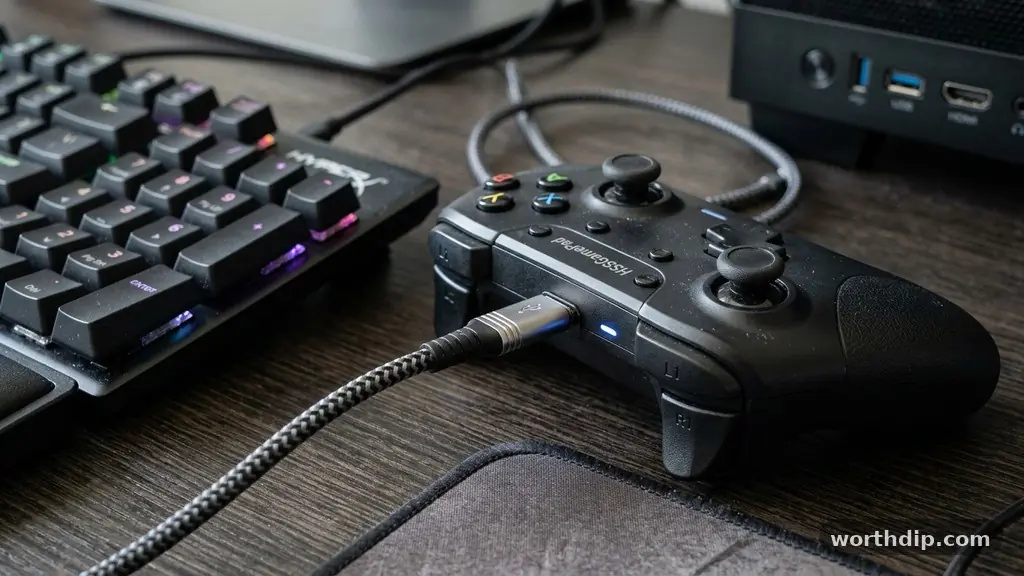
Mastering the Connector HSSGamePad setup, connectivity & troubleshooting is the key to getting back into your favorite titles without unnecessary technical friction. Whether you are dealing with a faulty USB port or a stubborn Bluetooth pairing sequence, understanding the underlying communication protocols between your device and your operating system makes all the difference.
This article provides the specific steps and diagnostic logic needed to establish a stable link, ensuring your hardware responds instantly during intense gameplay sessions. By following these clear, actionable steps, you will resolve most common input hurdles and regain full control over your gaming experience on Windows or other compatible platforms.
Initial Hardware Setup and Physical Connections
The first step in any successful installation is ensuring the hardware is physically sound. Before diving into software settings, check the integrity of your USB cable or wireless dongle. If you are using a wired configuration, ensure the port you are plugging into is a high-speed interface, ideally a USB 3.0 or higher, to minimize input latency.
Look for the status lights on the device itself. A blinking LED usually indicates that the hardware is in pairing mode, while a solid light confirms a handshake has been established with your computer. If the device remains completely dark, you may be dealing with a power delivery issue rather than a driver problem.
Try swapping the connection to a different port on your motherboard’s rear panel. Front-panel USB headers on PC cases often have lower voltage stability, which can cause intermittent disconnects during active play. If your controller requires specific firmware updates, visit the official Windows support portal to ensure your system drivers are fully compatible with modern input hardware.
Configuring Bluetooth Wireless Links
When you opt for a wireless experience, the pairing process requires a precise sequence of events. Start by putting your device into discovery mode, which is typically triggered by holding the primary sync button for three to five seconds until the indicator light flashes rapidly. On your computer, navigate to the Bluetooth settings menu and select the option to add a new device.
Your system should detect the hardware under a generic name or the specific brand label. Once it appears in the list, click on it to initiate the pairing handshake. If the connection fails, remove the device from your saved list entirely and restart the discovery process from scratch.
Bluetooth interference is a common culprit for dropped signals. Keep your wireless router and other 2.4GHz devices at least a few feet away from your computer while pairing. Metal surfaces can also act as shields, so maintain a clear line of sight between the controller and the internal antenna of your PC or laptop.
Standardizing Driver Installations
Operating systems often attempt to install generic drivers that may not fully utilize the advanced features of your gaming hardware. If your device is recognized but the buttons are mapped incorrectly, you need to manually intervene in the Device Manager. Locate the human interface devices section to see if your controller is flagged with an error icon.
Right-click the entry and choose to update the driver software. Instead of searching automatically, point the system toward the specific manufacturer folder if you have downloaded a dedicated utility. This ensures that the low-level communication between the OS and the gamepad hardware is optimized for your specific model.
Sometimes, the best solution is to uninstall the device entirely and let the system rediscover it upon the next reboot. This forces the OS to re-initialize the handshake and re-assign the necessary resources. Always keep your chipset drivers up to date, as these act as the foundation for all USB and wireless communication on your motherboard.
Optimizing Input Mapping and Software
Even when the connection is perfect, the game itself might not interpret the input correctly. Most modern gaming platforms use XInput or DirectInput protocols to talk to controllers. You can use software utilities to bridge the gap if a specific game expects a different layout than what your hardware provides.
Mapping software allows you to assign specific keyboard commands to your controller buttons. This is particularly useful for older titles that do not feature native gamepad support. Creating a custom profile ensures that your trigger pulls and stick movements translate into the intended in-game actions every time.
Save your configurations in a cloud-synced folder if possible. This prevents you from losing your custom bindings when you switch between different machines. Always test your mapping in a neutral environment, such as a controller tester website, before launching your game to ensure no ghost inputs are occurring.
Troubleshooting Common Connectivity Issues
Connectivity hurdles often manifest as phantom inputs, sudden freezes, or total loss of signal. If you experience these symptoms, start by checking your power settings in the control panel. Windows has a habit of putting USB ports to sleep to save power, which can inadvertently cut off your controller during a match.
Disable the “Allow the computer to turn off this device to save power” setting in the properties of your USB root hubs. This simple change often resolves the “controller connected but not working” phenomenon that plagues many desktop users. If you are using a wireless connection, check that your batteries are fully charged or that the internal battery is holding a sufficient voltage.
The following table highlights the most frequent issues and their primary solutions:
| Issue | Most Likely Cause | Primary Fix |
|---|---|---|
| No Input Detected | Driver Conflict | Reinstall via Device Manager |
| Intermittent Lag | Signal Interference | Move Dongle/Clear Path |
| Ghost Inputs | Calibration Error | Recalibrate in Settings |
| Device Not Found | USB Port Power | Switch to Rear USB Port |
Managing Firmware and Software Updates
Hardware manufacturers frequently release firmware updates to address bugs and improve input polling rates. Never ignore these notifications, as they often include critical patches for compatibility with new operating system versions. Connect your device via a stable USB cable before initiating any firmware update to prevent a partial flash that could brick the hardware.
If the manufacturer provides a dedicated control panel application, keep it running in the background. These apps often perform health checks on your device and alert you to potential calibration drift before it becomes a noticeable problem during play. Regular maintenance of the software layer is just as important as keeping the physical hardware clean.
If you encounter a loop where the software keeps asking for an update that fails, try running the utility in administrator mode. This grants the software the necessary permissions to communicate directly with the firmware chip. Always read the release notes provided by the manufacturer to see if the update addresses specific issues you are currently facing.
Advanced Diagnostics for Persistent Faults
When standard troubleshooting fails, you must look at the system logs. Open the Event Viewer in Windows and filter for hardware or input-related errors. This can reveal if the operating system is throwing specific error codes related to the USB controller or the Bluetooth stack.
If you have access to a second computer, test the gamepad there to isolate the problem. If the device works perfectly on a different machine, the issue is definitely with your primary computer’s configuration or driver state. If it fails on both, you are likely dealing with a physical hardware defect that may require a warranty replacement or a repair.
Sometimes, conflicting software is the culprit. Programs that manage overlays or other peripherals can sometimes hook into the input stream and cause conflicts. Disable non-essential background applications one by one while the controller is active to see if the stability improves.
Frequently Asked Questions
Why does my controller disconnect when I plug in a headset?
This usually happens due to power draw limitations on the USB bus. If your controller has a headphone jack, using it draws extra power from the connection, which might destabilize the link if the USB port is already struggling to provide enough current. Try switching to a different, higher-powered USB port or use a powered hub.
How do I know if my gamepad is using XInput or DirectInput?
Most modern controllers default to XInput for compatibility with Windows games. You can check the device properties in your game controller settings panel; if it shows up as an “Xbox 360 Controller for Windows,” it is using XInput. DirectInput is an older standard, and if your device is stuck in that mode, you may need a wrapper utility to make it compatible with modern titles.
Can I use a Bluetooth controller with a PC that doesn’t have built-in Bluetooth?
Yes, you can use a third-party USB Bluetooth adapter. Ensure the adapter supports the same Bluetooth version as your gamepad for the best stability. Plug the adapter into a USB port that has a clear line of sight to your seating area to avoid signal degradation.
Why is my controller showing up as a keyboard in the game settings?
This happens when you have mapping software running that translates gamepad inputs into keyboard presses. Check your configuration software and ensure you haven’t accidentally assigned keyboard keys to the controller buttons. If you want the game to detect the controller natively, disable the mapping software or set it to “pass-through” mode.
Is it normal for the controller to get warm during long sessions?
Light warmth is generally normal for wireless controllers due to the internal battery and wireless transmitter. However, if the device is becoming hot to the touch, you should disconnect it immediately. This could indicate a failing battery or a short circuit in the internal charging board, which poses a safety risk.
Mastering the nuances of your hardware ensures that your gaming sessions remain uninterrupted and enjoyable. By methodically addressing the physical connection, driver health, and software settings, you can overcome almost any obstacle associated with the Connector HSSGamePad. Remember that consistent maintenance, such as updating firmware and checking for software conflicts, is the best way to prevent future issues before they start.
If you find yourself stuck, don’t hesitate to revisit the diagnostic steps provided here or consult the manufacturer’s official documentation for your specific model. Your setup is a vital part of your gaming experience, and with a little bit of patience and systematic testing, you will maintain a reliable link every time you sit down to play.