
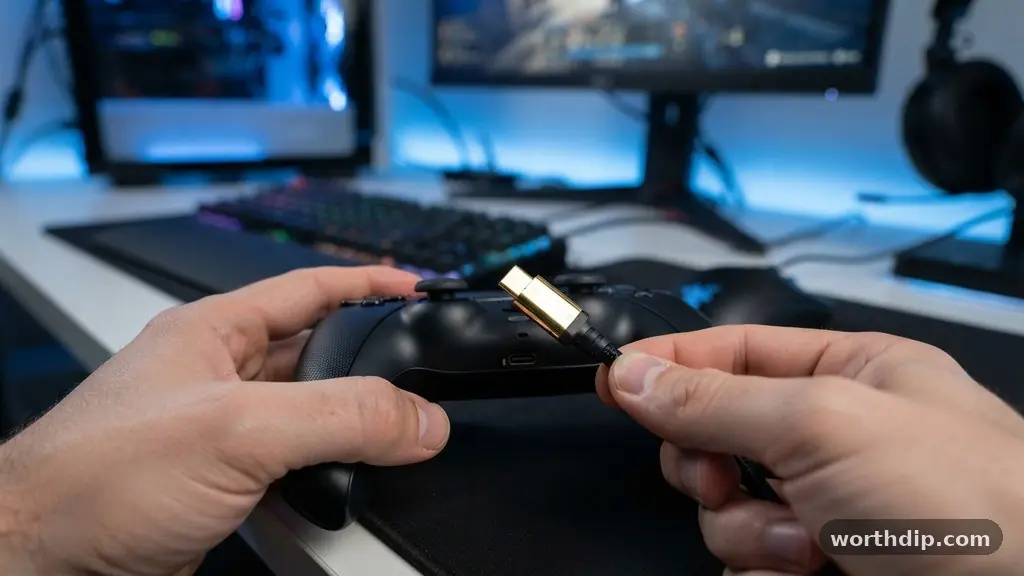
When you encounter connectivity issues HSSGamepad, your gaming session can quickly turn from an immersive experience into a source of frustration. Reliable input is the backbone of competitive and casual play, and even a minor drop in signal can ruin a well-timed move. Fortunately, most of these interruptions stem from common interference or simple pairing errors that you can resolve in minutes.
By checking your physical connections and adjusting your wireless environment, you can restore stability and get back to the action without delay. This article provides practical, actionable steps to help you stabilize your gear and maintain a consistent link between your controller and your console or PC.
Immediate Hardware Checks
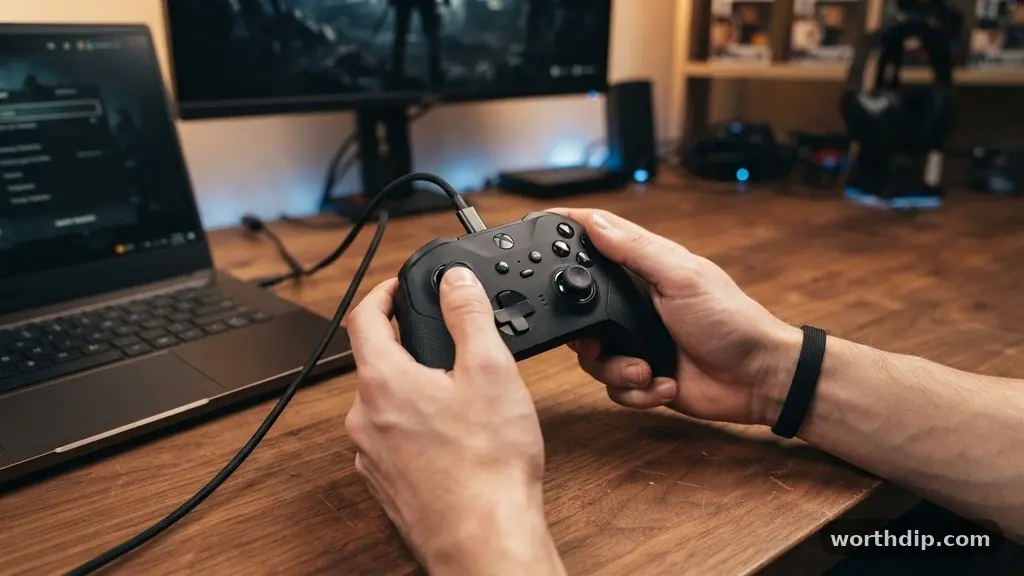
The most frequent culprit behind a failing controller is a faulty physical connection. Before diving into complex software settings, inspect your USB cables for any visible fraying or bent pins.
A loose port often mimics wireless dropouts because the system briefly loses power and attempts to re-establish the connection. If you are using a wired setup, try swapping the cable with a known working one to rule out a damaged wire.
Even if you primarily use your device wirelessly, your charging cable serves as a critical diagnostic tool. Plugging the controller directly into your machine forces a hard-wired handshake that can reset internal communication protocols.
If the controller functions perfectly while plugged in but fails the moment you go wireless, the issue is almost certainly related to your Bluetooth environment. Keep your charging port clean of dust and debris, as a speck of lint can prevent a solid seat for your connector.
Managing Bluetooth Interference
Wireless signals are invisible, but they are subject to the same physical limitations as any other radio wave. Your HSSGamepad connectivity relies on the 2.4GHz spectrum, which is the same frequency used by Wi-Fi routers, microwaves, and cordless phones.
When these devices operate in close proximity to your gaming setup, they can create a “noisy” environment that forces your controller to drop packets. To minimize this, try moving your router or other wireless peripherals at least three feet away from your gaming station.
External signal sources, such as smart home hubs or Bluetooth speakers, can also cause periodic hiccups during intense gameplay. If you notice your controller lagging, turn off nearby Bluetooth devices to see if the stability improves.
You can verify the health of your network by checking the official guidance on wireless interference to understand how different household electronics interact. Creating a clear line of sight between your controller and the receiver significantly boosts signal strength.
Resetting the Pairing Protocol
Sometimes the digital “handshake” between your hardware becomes corrupted over time. This happens when the device stores conflicting connection profiles, leading to failed attempts to sync.
The most effective fix is to perform a full unpairing process. Remove the HSSGamepad from your system’s recognized device list, turn off your Bluetooth radio, and perform a hard reset on the controller itself.
Most modern gamepads have a small, recessed pinhole button specifically for this purpose. Use a paperclip to hold that button down for five to ten seconds while the controller is powered off.
Once you restart your system and re-enable discovery mode, the controller will establish a fresh, clean profile. This simple refresh often resolves persistent connectivity issues HSSGamepad users face after system updates or long periods of inactivity.
Updating Controller Firmware
Manufacturers frequently release software patches to address compatibility issues with newer operating systems. If your controller is running outdated firmware, it may struggle to maintain a stable link with modern PC drivers or console software.
Check the manufacturer’s support website or your console’s settings menu to see if an update is available for your specific model. You will typically need to connect the device via USB to perform this update safely.
Firmware updates are not just about adding features; they are critical for maintaining security and performance. A patched controller is often better at managing power consumption, which prevents the device from entering a “sleep” state prematurely during gameplay.
If your device supports it, keep the companion software installed on your computer to receive automatic notifications. Skipping these updates is one of the most common reasons players experience intermittent signal loss.
Optimizing USB Port Selection
Not all USB ports on a computer are created equal, and this distinction matters for gaming performance. Front-panel ports on a desktop tower often use internal extension cables that are poorly shielded against electromagnetic interference.
These cables can act like antennas, picking up noise from your graphics card or power supply. For the most stable connection, always plug your wireless dongle or charging cable into the ports on the back of your motherboard.
USB 3.0 ports, identifiable by their blue color, are known to generate their own radio frequency noise in the 2.4GHz range. If your controller uses a wireless USB dongle, plug it into a USB 2.0 port if one is available.
If you must use a USB 3.0 port, use a short USB extension cable to move the dongle away from the port itself. This small physical offset can be the difference between a seamless experience and constant, frustrating drops.
Analyzing Connection Data
To diagnose why you are experiencing connectivity issues HSSGamepad, look at the frequency and nature of the drops. If the controller disconnects only during high-action scenes, it could be a power-draw issue or a CPU bottleneck on your machine.
If the connection drops randomly while you are idling, it is almost certainly interference or a battery-related problem. Keep a mental log of when these issues occur to narrow down your troubleshooting.
| Symptom | Likely Cause | Recommended Action |
|---|---|---|
| Random drops | Signal interference | Relocate router / clear line of sight |
| Constant lag | Outdated firmware | Run manufacturer update tool |
| Won’t pair | Corrupt profile | Reset controller and re-pair |
| Disconnects on move | Loose USB port | Inspect cable or switch ports |
You can also use diagnostic tools provided by your operating system to view event logs. On Windows, the Device Manager will often flag a yellow exclamation mark if a USB device is failing to initialize correctly. Watching these logs in real-time while you play can help you confirm if the device is physically disconnecting or if the software is simply timing out.
Battery Life and Power Management
A dying battery is often mistaken for a connectivity failure. When the voltage drops below a certain threshold, the controller’s internal radio may struggle to maintain a strong signal, leading to input latency or sudden shutdowns.
Always ensure your device is fully charged before a long session. If your controller uses replaceable batteries, use high-quality alkaline or rechargeable cells rather than generic brands that may have inconsistent voltage output.
Operating systems also have aggressive power-saving features that may “suspend” USB devices to save energy. Navigate to your Device Manager and locate your USB controller settings.
Uncheck the box that says “Allow the computer to turn off this device to save power.” This ensures your PC keeps the connection active and energized regardless of what the system thinks is happening in the background.
Hardware Maintenance Tips
Preventative maintenance is the best way to avoid future problems. Dust and grime can build up in the charging ports and around the analog sticks, potentially affecting the internal sensors.
Use a can of compressed air to gently blow out the ports once a month. Avoid using liquids or harsh cleaners, as these can seep into the circuitry and cause permanent damage.
Store your controller in a cool, dry place when it is not in use. Extreme temperatures can affect the internal lithium-ion batteries and the delicate solder joints on the circuit board.
If you notice the plastic casing beginning to creak or flex, handle the device with extra care, as this may indicate internal components are shifting. Caring for your hardware consistently will ensure your gaming setup remains reliable for years to come.
Frequently Asked Questions
Why does my controller disconnect when I move it too far away?
Wireless controllers have a limited range, usually between 10 and 30 feet. If you move behind a wall or a large piece of metal furniture, the signal strength drops significantly, leading to connection loss. Try to stay within the direct line of sight of your console or PC receiver.
Can a low battery cause input lag?
Yes, when a controller’s battery is near depletion, it may prioritize power for basic functions over the wireless radio. This often results in dropped packets and perceived input lag. Keep your controller charged above 20% to ensure optimal performance.
How do I know if my controller hardware is broken?
If you have tried resetting the device, updating the firmware, and testing it on a different machine, and it still fails to connect, the internal Bluetooth module or USB port may be faulty. If the device is still under warranty, contact the manufacturer for a replacement.
Does my Wi-Fi router affect my controller connection?
Yes, if your router is very close to your gaming console or PC, the 2.4GHz Wi-Fi signal can interfere with the controller’s wireless signal. If you have the option, switch your Wi-Fi network to the 5GHz band to reduce this interference.
What should I do if the controller won’t enter pairing mode?
Ensure the controller is turned off completely before you attempt to enter pairing mode. If the LED lights do not flash as expected, the battery might be too low to initiate the process. Charge it for at least 30 minutes before trying to pair it again.
Conclusion
Resolving connectivity issues HSSGamepad is rarely about a single, complex fix; it is usually about systematically eliminating the most common points of failure. By keeping your firmware updated, managing your wireless environment, and ensuring your power sources are stable, you can prevent most disruptions before they start. Remember that your gaming experience depends on the quality of your signal, so don’t be afraid to experiment with different USB ports or locations for your hardware.
If you follow these troubleshooting steps, you will spend far less time fixing your gear and much more time enjoying your favorite titles. Should problems persist, reach out to community forums or official support channels to see if others are experiencing similar behaviors with your specific device model.