
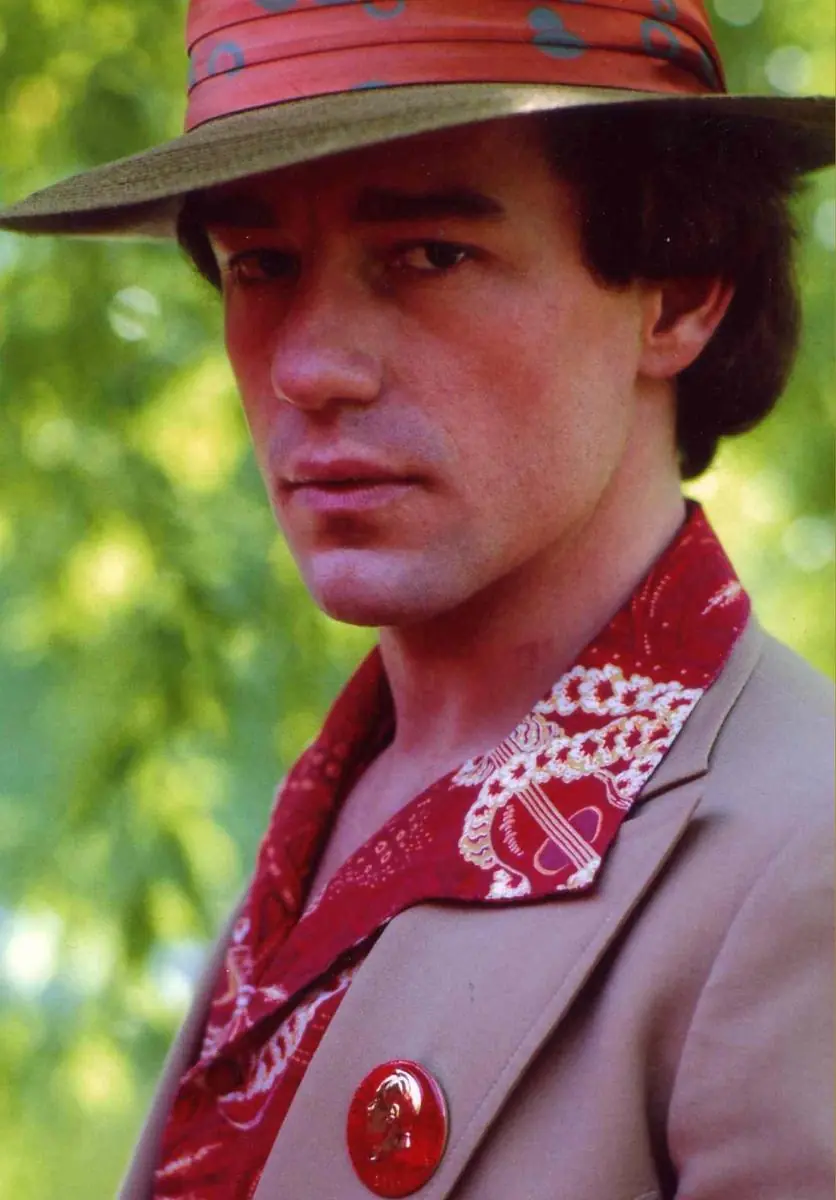
Exploring a Phil Hartman biography reveals the life of one of the most versatile performers in comedy history. Known for his impeccable timing and range, he left an indelible mark on television before his life was cut short in 1998.
This overview looks at his professional milestones, his personal challenges, and the lasting influence he continues to exert on the entertainment industry today. Understanding his trajectory provides insight into both the brilliance of his craft and the complexities of his private life.
Early Life and Career Origins
Before finding fame on screen, Phil Hartman led a life defined by creative exploration and technical skill. Born in Canada and raised in the United States, he initially gravitated toward the visual arts. He pursued a degree in graphic design at California State University, Northridge, which would eventually lead to a surprising career path before he ever stepped into a comedy club.
His talent for design was not merely a hobby; it was a professional pursuit. He formed his own graphic design business and became a respected name in the music industry.
He famously designed the album cover for the 1971 Poco album From the Inside. His portfolio also includes work for bands like Poco, America, and the legendary group Stills & Nash, showcasing a unique eye for visual branding.
The transition to comedy happened when he joined The Groundlings, a renowned improvisational troupe in Los Angeles. This move shifted his focus from the drawing board to the stage.
He spent years honing his craft, developing the characters and vocal nuances that would later define his tenure on national television. This period of his life was crucial, as it allowed him to experiment with the personas that would eventually make him a household name.
Rise to Fame on Saturday Night Live
Phil Hartman joined the cast of Saturday Night Live in 1986, a period often referred to as the show’s second golden age. He quickly earned the nickname “The Glue” among his peers and writers. This moniker was well-deserved, as he possessed an uncanny ability to hold chaotic sketches together while making his castmates look better in the process.
His versatility was his greatest asset. Whether he was playing a high-strung announcer or a subtle background character, he committed to every role with total conviction.
His impression of Bill Clinton became a definitive version of the president, blending political satire with a distinct, relatable charm. He didn’t just mimic the voice; he captured the mannerisms that made the caricature feel human.
Beyond political impressions, he created memorable original characters that fans still quote today. The Anal-Retentive Chef is perhaps his most iconic, representing his ability to find comedy in the mundane details of life. His tenure on the show lasted eight seasons, ending in 1994, but his influence on the writing and ensemble dynamic remained a standard for years to follow.
Television and Film Success
After leaving Saturday Night Live, he moved on to voice acting and film roles that expanded his reach. He voiced several recurring characters on The Simpsons, including Troy McClure and Lionel Hutz. These characters allowed him to showcase his incredible vocal range, moving from the slick, washed-up actor to the hilariously incompetent lawyer with ease.
His film career also saw him taking on prominent roles in various comedies. Movies such as Houseguest and Small Soldiers highlighted his ability to carry a scene alongside other heavy hitters.
He brought a sense of professionalism to every set, often noted by directors for his preparedness and his collaborative spirit. These projects helped cement his status as a reliable and bankable talent in Hollywood.
The following table displays some of his most notable film and television appearances across his career:
| Title | Role / Contribution | Type |
|---|---|---|
| Saturday Night Live | Various Characters | TV Series |
| The Simpsons | Troy McClure / Lionel Hutz | Voice Acting |
| Houseguest | Gary Young | Film |
| Small Soldiers | Phil Fimple | Film |
| NewsRadio | Bill McNeal | TV Series |
Personal Life and Tragic End
His personal life was marked by both joy and significant turmoil. In 1987, he married Brynn Hartman, and together they had two children, Sean Edward and Birgen Hartman.
For much of their marriage, they lived in the Encino neighborhood of Los Angeles, where they maintained a home that appeared stable from the outside. However, the reality behind closed doors was complicated by Brynn’s struggles with substance abuse.
The tragic end came in the early hours of May 28, 1998. Brynn Hartman, under the influence of alcohol and medication, shot and killed her husband while he slept in their home.
Afterward, she took her own life. This event sent shockwaves through the entertainment industry, leaving his children orphaned and his fans and colleagues in deep mourning.
The loss was felt profoundly by those who worked with him. His death was not just the loss of a comedic genius, but the loss of a friend and mentor to many. The circumstances surrounding his final hours remain a painful subject for those who knew him, often serving as a sobering reminder of the private battles that can exist behind the public image of success.
The Future of His Children
Following the tragedy, Sean Edward and Birgen Hartman were raised by their maternal aunt and her husband in the Midwest. The family made a conscious effort to shield the children from the intense media scrutiny that followed their parents’ deaths. This privacy allowed them to grow up away from the spotlight, which was essential for their well-being.
Both Sean and Birgen have since spoken about their father, often expressing gratitude for the memories they have of him. They have carved out their own lives, pursuing interests in art, music, and travel. Their resilience in the face of such a public and devastating loss is a testament to the support system they had in place during their formative years.
It is important to note that their inheritance and financial situation have remained largely private. There have been various reports about the estate, but the children have largely kept their distance from the tabloid narratives. They have focused on honoring his memory through their own personal achievements rather than relying on the fame associated with his name.
Net Worth and Financial Legacy
At the time of his death, Phil Hartman had accumulated a significant net worth through his successful career in television and film. While exact figures are often estimated, reports from that era suggested his estate was valued in the millions. These assets included his home in Encino, his investments, and the royalties from his extensive body of work.
His income was generated from multiple sources throughout his life:
- Salaries from his eight-season run on Saturday Night Live.
- Voiceover contracts for The Simpsons and various commercials.
- Lead and supporting roles in major feature films.
- Residuals from syndication of NewsRadio and other programs.
- Graphic design royalties and past business ventures.
The management of his estate ensured that his children were provided for, though the emotional cost of the tragedy far outweighed any financial gain. The legacy he left was primarily artistic, with his work continuing to generate income and recognition decades later. His financial success was a byproduct of his relentless work ethic, but his true wealth was the body of work he left behind for future generations.
Legacy and Cultural Impact
Phil Hartman’s impact on comedy is still visible in the work of modern performers. Many comedians cite him as a primary influence, pointing to his ability to inhabit a character completely without needing to be the center of attention. He proved that comedy could be both sharp and subtle, a balance that remains difficult to achieve.
His work on The Simpsons is frequently highlighted as a peak of animation voice acting. The characters he brought to life are woven into the cultural fabric of the show, and many fans still hold out hope that they will be properly retired or honored. He set a high bar for what a guest voice actor could bring to an animated series.
For more information on his career and contributions, you can visit the Wikipedia entry for Phil Hartman. His Wikipedia page offers a chronological look at his professional life, documenting the shifts from his early days in graphic design to his status as an icon of television. It serves as a useful resource for those looking to understand the breadth of his creative output.
Frequently Asked Questions
Did Phil Hartman’s children inherit anything?
Yes, the estate was managed for the benefit of Sean Edward and Birgen Hartman. Their guardians ensured that the funds were used to support their upbringing and education, keeping the details of the financial distribution largely private to protect their privacy.
Was Phil Hartman a good person?
Colleagues consistently described him as a kind, professional, and generous individual. He was widely respected for his work ethic and his willingness to mentor younger comedians, often acting as a stabilizing presence on the sets of Saturday Night Live and NewsRadio.
Are Phil and Brynn Hartman buried together?
No, they are not buried together. Following their deaths, Phil Hartman was cremated, and his ashes were scattered over Emerald Bay in Santa Catalina Island, California. Brynn Hartman was also cremated, and her ashes were scattered at a separate location.
Where did Phil Hartman live when he died?
He lived in a home in the Encino neighborhood of Los Angeles, California. This is where the tragic incident occurred, and the property was later sold following the conclusion of his estate’s legal proceedings.
Conclusion
The life and career of Phil Hartman remain a focal point for fans of classic sketch comedy and television. From his early days as a talented designer to his iconic roles on Saturday Night Live and The Simpsons, he demonstrated a rare gift for character work that continues to entertain audiences. While the tragic circumstances of his death are an unavoidable part of his story, his legacy is firmly rooted in the laughter he provided to millions.
A comprehensive Phil Hartman biography is more than just a list of credits; it is a reflection on a life lived with immense creativity and professional dedication. By looking back at his contributions, we gain a better appreciation for the standards he set in the industry. Whether you are a long-time fan or a new viewer discovering his work, his influence remains as vital and enduring as ever.